 Skip to content

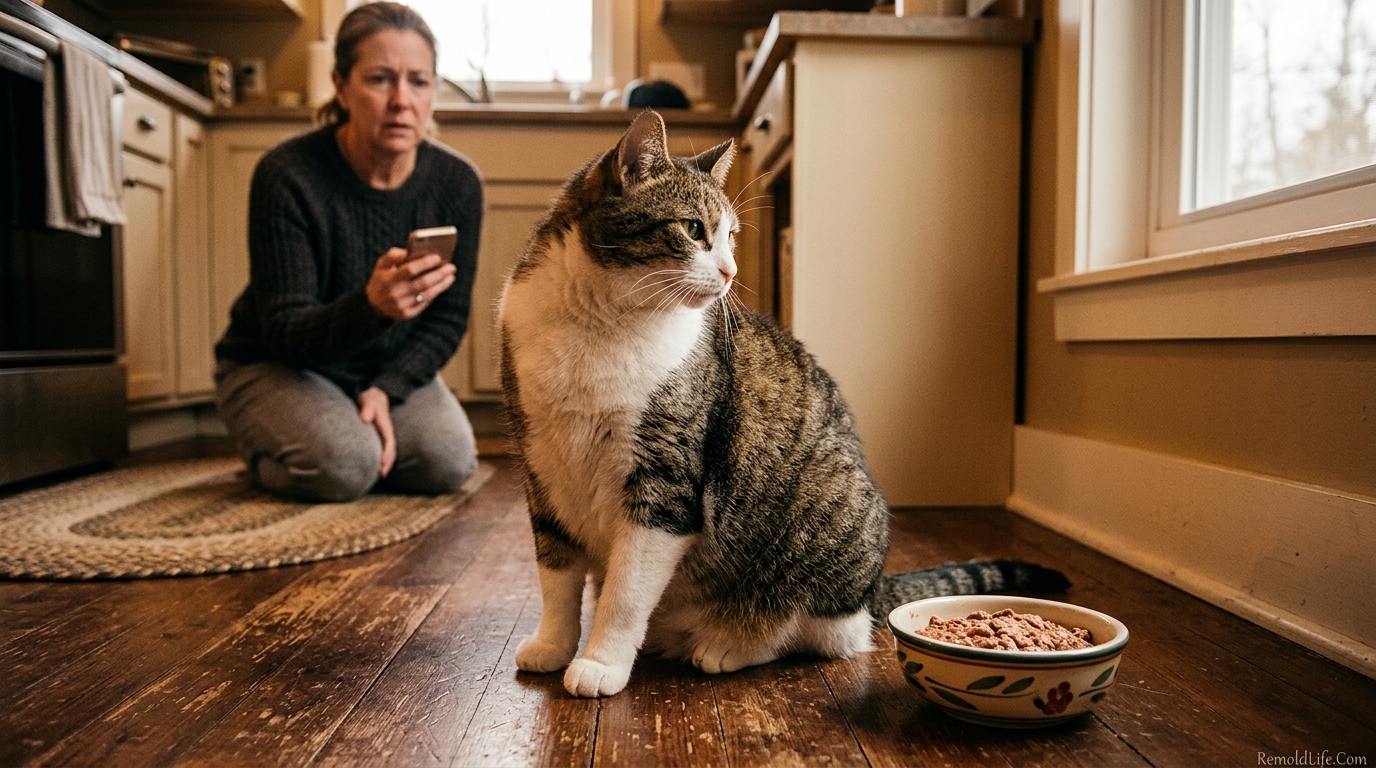

If you’re asking why your cat is not eating, it’s worth taking seriously — because cats that stop eating, even for 24–48 hours, are at risk for a serious condition called hepatic lipidosis (fatty liver disease) that develops rapidly in cats but not in other animals. Unlike dogs, cats cannot safely fast for extended periods. A cat that refuses food for more than 24 hours warrants active attention, not a “wait and see” approach.
That said, there’s a wide range of reasons cats stop eating — from serious medical conditions to temporary stress reactions to simple food preferences. This guide covers the most common causes, how to identify which might apply to your cat, and clear guidance on when home monitoring is appropriate versus when a vet visit is needed promptly.
Understanding Hepatic Lipidosis: Why Cat Anorexia Is Especially Dangerous
Before getting into causes, it’s important to understand why feline anorexia (loss of appetite) carries specific urgency.
When a cat stops eating, the body mobilizes fat stores for energy. In cats, this process is unusually rapid and inefficient — fat accumulates in the liver faster than the liver can process it, leading to hepatic lipidosis (fatty liver disease). This condition can develop within just 2–3 days of not eating in overweight cats, and within 3–7 days in cats of normal weight.
The American Association of Feline Practitioners (AAFP) notes that hepatic lipidosis is one of the most common severe liver diseases in cats and is strongly associated with periods of anorexia. Early treatment is effective; advanced cases require intensive hospital care.
This is why the “cats stop eating when they don’t feel good and come back to eating when they feel better” approach that works for dogs is inappropriate for cats.
Common Medical Causes
1. Dental Disease and Oral Pain
Dental disease is one of the most common causes of reduced appetite in cats — and one of the most overlooked, because cats continue eating through significant oral pain until it becomes severe enough to completely prevent it.
Signs suggesting dental pain: dropping food from the mouth, eating only on one side, pawing at the face, excessive drooling, bad breath, reduced interest in hard kibble while still eating soft food.
Dental disease is treatable, but requires professional cleaning under anesthesia and sometimes tooth extraction. Regular annual dental exams help catch this before it reaches the appetite-affecting stage.
2. Nausea and Gastrointestinal Issues
Nausea — from various causes including kidney disease, liver disease, gastrointestinal disorders, medication side effects, or ingesting something inappropriate — is a primary driver of appetite loss in cats.
Associated signs: lip-licking (a sign of nausea in cats), frequent swallowing, drooling, vomiting or retching, hunched posture, lethargy.
3. Kidney Disease (CKD)
Chronic kidney disease is common in older cats and causes persistent nausea, reduced appetite, and weight loss. As toxins accumulate when kidneys aren’t filtering efficiently, cats feel persistently unwell — reducing food intake further.
Early CKD often presents subtly with increased water intake and slightly reduced appetite before more obvious signs appear. This is why annual bloodwork in cats over 7 is so valuable — it catches CKD before appetite is severely affected.
4. Upper Respiratory Infection
A cat that can’t smell its food won’t want to eat it. Cats are much more smell-driven than humans in their food selection — congestion from a respiratory infection can dramatically reduce appetite even when the cat is otherwise eating reasonably well.
Signs: sneezing, nasal discharge, watery eyes, congestion, reduced interest in food that the cat normally likes.
Warming food slightly (to enhance aroma), offering strongly scented foods (fish-based wet food), or clearing nasal passages gently can help temporarily until the infection resolves.
5. Pain From Any Cause
Pain anywhere in the body — arthritis, injury, post-surgical discomfort, internal pain from disease — reduces appetite. Cats often hide pain effectively, so reduced eating may be one of the few observable signs that something hurts.
6. Hyperthyroidism
Counterintuitively, hyperthyroidism sometimes causes reduced appetite despite increased metabolism — particularly in advanced stages or when associated nausea develops. It more commonly presents with ravenous appetite and weight loss, but the picture can be mixed.
7. Cancer
Various cancers can cause appetite loss through direct effects on the gastrointestinal system, nausea from systemic effects, pain, or the metabolic changes that accompany malignancy. Weight loss alongside appetite reduction in an older cat warrants prompt investigation.

Common Non-Medical Causes
1. Stress and Anxiety
Cats are highly sensitive to environmental changes. New people in the home, another pet, moving, rearranged furniture, changes in household routine, construction noise, or a family member leaving — any of these can suppress a cat’s appetite temporarily.
This is one of the most common causes of short-term appetite reduction in otherwise healthy cats. The cat typically resumes eating as it adjusts to the change, usually within 24–72 hours.
2. Food Changes
An abrupt change in food — different brand, formula change, new texture or flavor — sometimes produces refusal. Cats develop strong preferences and may reject unfamiliar food regardless of nutritional content.
Gradual transitions (mixing increasing proportions of new food with old over 7–10 days) prevent this. If a sudden refusal follows a food change, returning to the previous food temporarily and transitioning more slowly usually resolves it.
3. Spoiled or Stale Food
Cats have sensitive noses and will refuse food that smells off to them even if it’s technically within its expiration date. Wet food left out for more than 30–60 minutes at room temperature is often rejected. Dry food that has absorbed moisture or odors may be refused.
Check that food is fresh, stored properly, and not contaminated by strong scents from nearby items.
4. Bowl Aversion
Some cats dislike their food bowl — particularly if it’s made of plastic (which can harbor odors), if it’s too deep (whisker fatigue — where sensitive whiskers touching the bowl sides creates discomfort), or if the bowl has been near cleaning products.
Try a wide, flat plate or shallow ceramic bowl instead. This is a surprisingly common and easily solved cause of apparent appetite loss.
5. Competition or Threat From Other Pets
In multi-pet households, a cat may not be eating at its bowl if another pet is present and creates anxiety around mealtime. Separating feeding areas and feeding each pet in a private space often resolves this immediately.
When to Call a Vet: The Decision Framework
| Situation | Recommended Action |
|---|---|
| Not eating for more than 24 hours | Contact vet — same day or next day |
| Not eating + vomiting more than once | Contact vet promptly |
| Not eating + lethargy, hiding, or behavior change | Contact vet same day |
| Not eating + any sign of pain | Contact vet same day |
| Not eating + weight loss | Contact vet — schedule appointment |
| Kitten not eating for 12+ hours | Emergency vet — kittens decompensate quickly |
| Senior cat (10+) not eating | Contact vet promptly — disease more likely at this age |
| Not eating after a known stressful event, otherwise alert | Monitor for 24 hours, contact vet if no improvement |
| Ate once but less than normal | Monitor for 24 hours, try appetite-stimulating approaches below |
Err on the side of calling your vet. A phone call to your veterinary practice describing the situation costs nothing and gives you professional guidance tailored to your cat’s history.

What to Try at Home (While Monitoring)
If the situation appears to be stress-related, food-related, or very recently onset in an otherwise healthy and alert cat:
Warm the food slightly — heating wet food to just below body temperature (microwave for 5–10 seconds, stir well to eliminate hot spots) releases aroma and makes food significantly more appealing.
Try a different food — offer a strongly scented alternative (tuna-based, chicken-based, or a food they haven’t had before). Something novel often re-engages appetite in cats that have developed temporary aversion.
Hand feed or try a different location — some cats respond to being offered food away from their usual bowl location, or offered small amounts from your hand.
Remove stress triggers if possible — if the appetite loss coincided with a household change, addressing the stressor (allowing adjustment time, providing hiding places, separating pets) can restore eating.
Use a calming product if stress is likely — Feliway pheromone diffusers have evidence for reducing stress-related behaviors in cats and may help if the cause is anxiety.
What NOT to Do
Don’t withhold food to make them hungry. This accelerates hepatic lipidosis risk rather than stimulating appetite.
Don’t force-feed without veterinary guidance. Improper force-feeding causes aspiration (inhaling food into lungs) and significant stress.
Don’t wait more than 24–36 hours without veterinary input, regardless of how normal the cat otherwise seems.
Don’t assume it will resolve on its own. It often does — but the hepatic lipidosis risk makes waiting without monitoring genuinely dangerous.
Frequently Asked Questions
Skipping one meal occasionally in a cat that is otherwise alert, active, and behaving normally is less concerning — but worth monitoring. Offer fresh, appealing food at the next meal. If the next meal is also refused, contact your vet. Don’t wait more than 24 hours of complete refusal without veterinary guidance.
Possible causes: dental pain making hard food uncomfortable, preference change (many cats naturally develop preferences for wet food), dry food that has gone stale or picked up off-putting odors, or an upper respiratory infection reducing the scent appeal of dry food. If dental disease is possible given the cat’s age (most cats over 3 have some dental disease), a vet exam is worthwhile.
Yes — significant stress can suppress appetite for 2–3 days in some cats, particularly after a major change like moving home, a new pet, or a family member leaving. However, even stress-related anorexia beyond 24–48 hours warrants monitoring and ideally veterinary contact, because the underlying cause of stress is worth identifying and because hepatic lipidosis risk begins regardless of the cause of anorexia.
Mild appetite reduction can accompany aging through reduced activity and metabolic rate. However, significant or progressive appetite reduction in a senior cat is more likely to reflect a medical condition — kidney disease, hyperthyroidism, dental disease, or cancer are all common in cats over 10. A vet exam with bloodwork is strongly recommended for any meaningful change in eating patterns in senior cats.
Yes — mirtazapine (an antidepressant with appetite-stimulating effects) is commonly used in veterinary medicine to support appetite in cats with illness-related anorexia. It’s available as a tablet or transdermal gel applied to the ear. This requires a veterinary prescription and is typically used alongside treatment of the underlying cause rather than as a standalone solution.

Final Thoughts
A cat not eating is almost never something to ignore — but it’s also not always a crisis. The key is accurate assessment: how long has it been going on, are there other symptoms, what’s the cat’s age and baseline health, and what changed recently?
When in doubt, call your vet. The information they give you over the phone takes five minutes and could prevent a serious complication. The hepatic lipidosis risk makes the cost of inaction — waiting to see what happens — meaningfully higher in cats than in most other pets.
For related pet health content, common cat health problems covers the full range of feline health issues worth knowing, and how to keep a dog healthy provides the parallel guide for dog owners.
Sources:
- American Association of Feline Practitioners — Feline Hepatic Lipidosis and Anorexia Guidelines: https://catvets.com/
- American Veterinary Medical Association — Feline Health Resources: https://www.avma.org/
- Cornell Feline Health Center — Anorexia and Weight Loss in Cats: https://www.vet.cornell.edu/departments-centers-and-institutes/cornell-feline-health-center
- International Renal Interest Society — CKD in Cats: http://www.iris-kidney.com/