 Skip to content

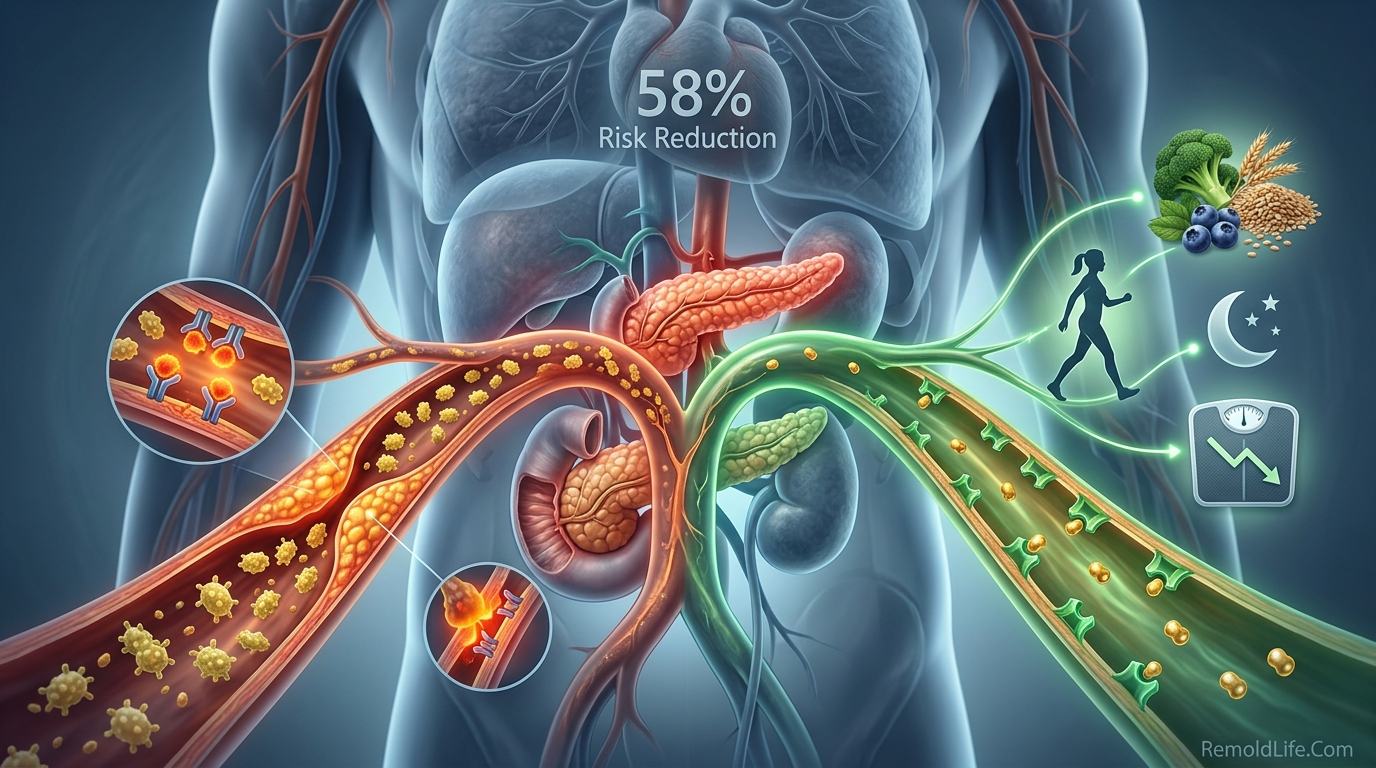

Type 2 diabetes prevention is one area of medicine where lifestyle changes have demonstrated genuinely remarkable results — not modest improvements, but dramatic risk reductions that rival or exceed what medication alone achieves.
Type 2 diabetes affects over 38 million Americans according to the American Diabetes Association, and an estimated 96 million adults have prediabetes — meaning their blood sugar is elevated but not yet at diabetic levels. Most people with prediabetes don’t know they have it. And most cases of type 2 diabetes are preventable through specific, evidence-based lifestyle changes.
This guide covers what type 2 diabetes is, who is at risk, and — most importantly — what the research shows actually works to prevent it.
Understanding Type 2 Diabetes and Prediabetes
Type 2 diabetes occurs when the body becomes resistant to insulin — the hormone that allows cells to absorb glucose from the bloodstream — and when the pancreas can no longer produce enough insulin to compensate. The result is chronically elevated blood glucose.
Prediabetes is the earlier stage: blood sugar is higher than normal but not yet at diabetic levels. It’s a critical intervention window — prediabetes causes no symptoms but substantially raises risk for full type 2 diabetes if unaddressed.
Blood sugar levels for diagnosis:
| Category | Fasting Blood Glucose | HbA1c |
|---|---|---|
| Normal | Less than 100 mg/dL | Less than 5.7% |
| Prediabetes | 100–125 mg/dL | 5.7–6.4% |
| Diabetes | 126 mg/dL or higher | 6.5% or higher |
Source: American Diabetes Association Standards of Medical Care 2026
If you haven’t had a fasting blood glucose or HbA1c test recently — and you have any risk factors — asking your doctor to check is a straightforward first step.
Risk Factors for Type 2 Diabetes
Some risk factors can’t be changed; others can. Understanding both helps you assess your position honestly.
Non-modifiable risk factors:
- Family history of type 2 diabetes (particularly parents or siblings)
- Age over 45 (risk increases with age, though type 2 increasingly affects younger people)
- History of gestational diabetes
- Polycystic ovary syndrome (PCOS)
- Certain ethnic backgrounds (higher prevalence in African American, Hispanic, Asian American, and Native American populations)
Modifiable risk factors — where prevention works:
- Excess body weight, particularly abdominal fat
- Physical inactivity
- Diet high in refined carbohydrates, added sugar, and saturated fat
- Poor sleep quality or sleep apnea
- Smoking
- Chronic stress
The Evidence: How Much Can Lifestyle Change Actually Reduce Risk?
The landmark study in type 2 diabetes prevention is the Diabetes Prevention Program (DPP), a large randomized controlled trial funded by the National Institutes of Health.
The DPP compared three groups of people with prediabetes: one received lifestyle intervention (diet + exercise), one received metformin (a diabetes medication), and one received a placebo.
Results:
- Lifestyle intervention reduced risk of progressing to type 2 diabetes by 58%
- Metformin reduced risk by 31%
- Placebo group progressed to diabetes at the expected rate
Lifestyle changes cut risk by nearly double what medication achieved. For people over 60, the lifestyle intervention was even more effective — reducing risk by 71%.
This study has been replicated in multiple countries and populations. The finding is consistent: meaningful lifestyle change is the most powerful tool available for type 2 diabetes prevention.
The Most Effective Prevention Strategies

1. Achieve and Maintain a Healthy Weight — Especially Abdominal Fat
Excess body weight — particularly visceral fat (fat stored around abdominal organs) — is the single strongest modifiable risk factor for type 2 diabetes. Visceral fat causes insulin resistance through multiple mechanisms including releasing inflammatory compounds and fatty acids that impair insulin signaling.
The good news: you don’t need to reach an “ideal” weight to see benefit. The DPP found that losing just 5–7% of body weight (about 10–14 pounds for a 200-pound person) significantly reduced diabetes risk. Small reductions in abdominal circumference produce measurable improvements in insulin sensitivity within weeks.
Sustainable, modest weight reduction through dietary change is more effective for this purpose than crash dieting — which often leads to weight regain that reverses metabolic improvements.
2. Move Your Body — Especially After Meals
Physical activity improves insulin sensitivity — the ability of cells to respond appropriately to insulin and absorb glucose effectively. This effect is relatively immediate: a single session of moderate exercise improves insulin sensitivity for 24–48 hours afterward.
The DPP protocol used 150 minutes of moderate-intensity exercise per week as its target — roughly 30 minutes five days a week of brisk walking, cycling, or similar activity. This specific target produced the 58% risk reduction.
A particularly effective strategy: walking after meals. Research published in Diabetologia found that even a 10-minute walk after each main meal reduced blood sugar spikes by approximately 22% compared to a single 30-minute walk at another time of day. This works because muscle contraction increases glucose uptake independently of insulin — your muscles can absorb glucose directly during activity.
Resistance training (weightlifting, resistance bands, bodyweight exercises) is additionally beneficial — building muscle mass increases the body’s capacity to store and use glucose, improving baseline insulin sensitivity over time.
3. Improve Your Diet: Specific Changes With Strong Evidence
No single dietary pattern has a monopoly on diabetes prevention evidence, but several specific changes consistently reduce risk:
Reduce refined carbohydrates and added sugar Refined carbohydrates — white bread, white rice, sugary drinks, pastries, processed snacks — cause rapid blood glucose spikes that repeatedly stress the insulin-producing beta cells of the pancreas. Replacing refined carbohydrates with whole grain alternatives, vegetables, and legumes reduces these spikes and improves long-term blood sugar regulation.
Sugary drinks deserve special mention. A large meta-analysis published in Diabetes Care found that each additional daily serving of sugar-sweetened beverages was associated with a 13% increase in type 2 diabetes risk, independent of other factors. This is one of the most consistently supported dietary associations in diabetes research.
Increase fiber intake Dietary fiber — particularly soluble fiber from oats, legumes, vegetables, and fruits — slows glucose absorption, reduces blood sugar spikes, and improves insulin sensitivity over time. Higher fiber intake is consistently associated with lower diabetes risk across multiple large cohort studies.
Choose healthy fats over saturated fat Replacing saturated fat (red meat, butter, full-fat dairy) with monounsaturated and polyunsaturated fats (olive oil, avocado, nuts, fatty fish) improves insulin sensitivity. The Mediterranean and DASH dietary patterns — both high in healthy fats, fiber, and plant foods — have strong evidence for diabetes prevention.
Eat more vegetables, legumes, and whole foods Plant-rich diets reduce diabetes risk through multiple mechanisms: lower caloric density supports weight management, high fiber content reduces glucose spikes, and antioxidants reduce oxidative stress that contributes to beta cell damage.
Watch portion sizes even for healthy foods Overeating — even of nutritious food — contributes to weight gain and blood sugar dysregulation. Being mindful of portion sizes, particularly of starchy foods, matters alongside food quality.

4. Improve Sleep Quality
Poor sleep and sleep apnea are significantly and independently associated with insulin resistance and type 2 diabetes risk. Research has found that even a single night of partial sleep deprivation reduces insulin sensitivity by 20–25% the following day.
Sleep apnea — where breathing repeatedly stops during sleep — is both more common in people with excess weight and a risk factor for type 2 diabetes independent of weight. If you snore heavily, wake unrefreshed, or have been told you stop breathing during sleep, getting evaluated for sleep apnea is relevant to your diabetes risk.
Targeting 7–9 hours of quality sleep per night is a genuine diabetes prevention strategy, not just general health advice.
5. Manage Chronic Stress
Chronic psychological stress elevates cortisol, which directly raises blood glucose — cortisol is designed to mobilize energy for a threat response. Sustained elevated cortisol impairs insulin signaling and promotes abdominal fat accumulation, both of which increase diabetes risk.
Stress management — through exercise, mindfulness, sleep, social connection, or professional support — is a legitimate component of diabetes prevention, not a soft add-on.
6. Quit Smoking
Smokers have a 30–40% higher risk of developing type 2 diabetes compared to non-smokers, according to research published in The Lancet. Smoking promotes insulin resistance through multiple mechanisms including oxidative stress, inflammation, and changes in fat distribution. Quitting reduces this excess risk over time.
Monitoring Your Blood Sugar: Who Should and How
If you have risk factors for type 2 diabetes, knowing your baseline blood sugar is valuable. Ask your doctor to include a fasting blood glucose or HbA1c in routine bloodwork.
Frequency:
- No risk factors, normal weight: test every 3 years from age 35
- Risk factors present: discuss with your doctor — annual or biannual testing may be appropriate
- Prediabetes diagnosis: every 6–12 months to monitor progress
Home continuous glucose monitors (CGMs) — devices that track blood sugar continuously through a small skin sensor — have become more accessible and are used by some non-diabetic people to understand their personal blood sugar responses to specific foods and activities. Research on CGM use for prevention is ongoing, but the technology is now available without prescription in many markets.
If You Have Prediabetes: What to Do
A prediabetes diagnosis is a window of opportunity, not a sentence. The DPP showed that lifestyle intervention is highly effective at reversing prediabetes and preventing progression to full diabetes.
Many communities now offer structured DPP programs — often covered by insurance or Medicare for eligible individuals. The CDC Diabetes Prevention Program provides a directory of recognized programs.
The target: 5–7% weight loss through diet and 150 minutes of moderate activity per week. These aren’t aspirational goals — they’re the specific targets that produced the 58% risk reduction in research.
Frequently Asked Questions
In some cases, yes — particularly when diagnosed early and when significant weight loss is achieved. Research published in The Lancet found that substantial weight loss (15+ kg) through dietary intervention produced remission of type 2 diabetes in a significant proportion of participants. This is not guaranteed and depends on duration and severity of diabetes, but remission is a documented possibility with aggressive lifestyle intervention.
Family history significantly increases risk — having a parent or sibling with type 2 diabetes roughly doubles your lifetime risk. However, genetics loads the gun while lifestyle pulls the trigger. Many people with strong family histories never develop type 2 diabetes because of healthy habits. The DPP specifically enrolled people with risk factors including family history and showed lifestyle intervention was highly effective for them.
The research is mixed. Some artificial sweeteners appear metabolically neutral; others may affect gut microbiome in ways that influence glucose metabolism. Using them to replace sugar-sweetened drinks is likely better than those drinks, but recent evidence suggests they’re not as neutral as originally thought. Water, unsweetened coffee, and tea remain the safest choices for blood sugar management.
Research points to two equal contenders: losing 5–7% of body weight and getting 150 minutes of moderate exercise per week. If you can only change one thing, either of these produces meaningful risk reduction. If you can do both, the combined effect is substantially greater.
Evidence suggests intermittent fasting (particularly time-restricted eating) can improve insulin sensitivity and support weight management — both relevant to diabetes prevention. However, it’s not clearly superior to continuous calorie reduction for most people, and the research is still developing. If intermittent fasting is sustainable for you personally, it’s a reasonable approach. If it isn’t, other dietary strategies produce similar outcomes.

Final Thoughts
Type 2 diabetes is not inevitable. Even for people with strong genetic risk, lifestyle choices have a dramatic effect on whether and when the disease develops. The evidence from the Diabetes Prevention Program and subsequent research is among the strongest available for any lifestyle intervention in medicine.
The changes that prevent type 2 diabetes — maintaining a healthy weight, exercising regularly, eating whole foods, sleeping well, managing stress — are the same changes that support nearly every other aspect of long-term health. This isn’t a specialized protocol for a specific disease risk. It’s a description of healthy living with particularly well-documented benefits for blood sugar regulation.
If you have risk factors, the time to act is before a diagnosis — not after. Talk to your doctor, get your blood sugar checked, and use that information to start making changes now.
For related health reading, best foods for gut health covers diet patterns that support metabolic health, and how to lose belly fat addresses the specific type of fat most closely linked to insulin resistance.
Sources:
- American Diabetes Association — Standards of Medical Care 2026: https://www.diabetes.org/
- National Institute of Diabetes and Digestive and Kidney Diseases — Diabetes Prevention Program: https://www.niddk.nih.gov/about-niddk/
- CDC — Diabetes Prevention Program: https://www.cdc.gov/diabetes/prevention/
- Knowler WC et al. — “Reduction in the Incidence of Type 2 Diabetes with Lifestyle Intervention or Metformin.” NEJM (2002)
- DiPietro L et al. — “Three 15-min Bouts of Moderate Postmeal Walking.” Diabetologia (2013)
- Lean ME et al. — “Primary Care-Led Weight Management for Remission of Type 2 Diabetes.” The Lancet (2018)