 Skip to content

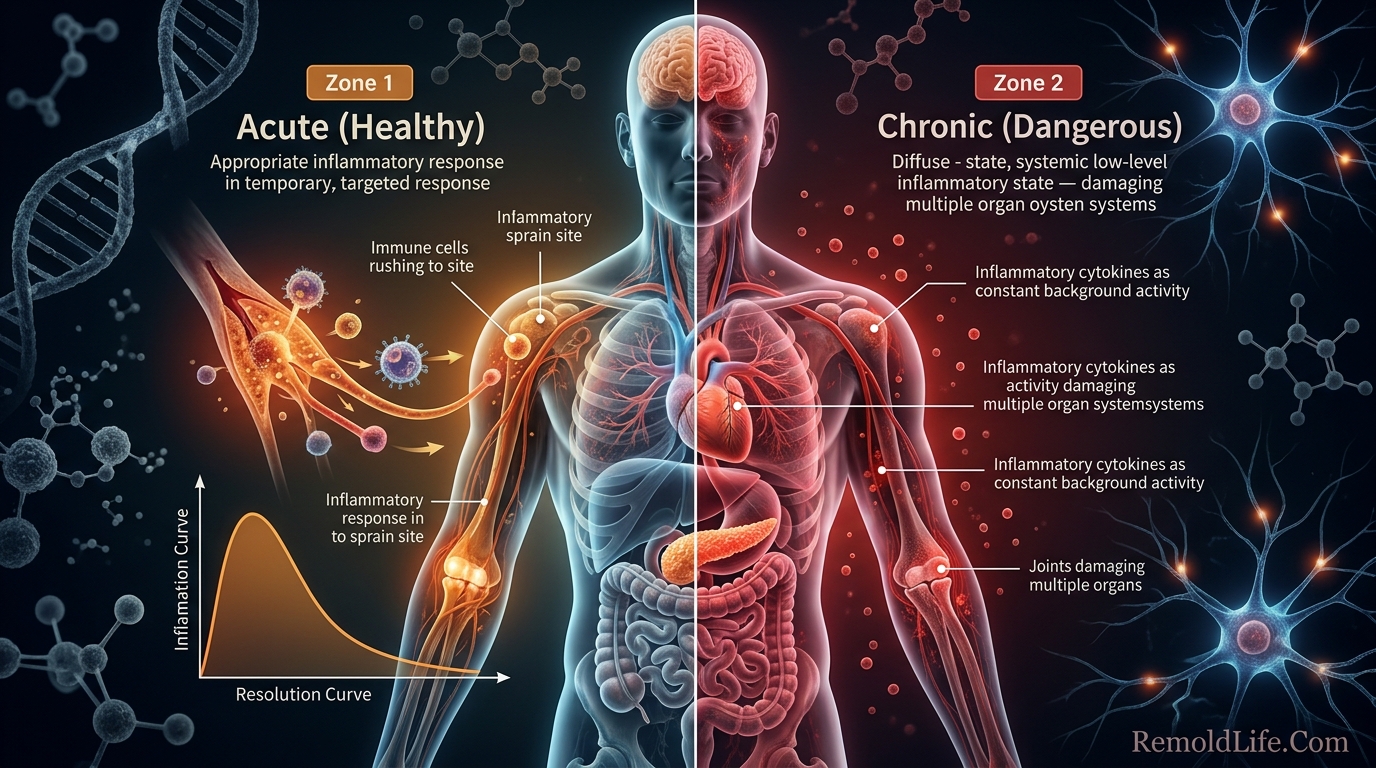

Understanding what is inflammation in the body starts with clearing up one of the most important distinctions in modern health: inflammation isn’t inherently bad. It’s a necessary immune response — your body’s way of protecting itself and healing. The problem is when it becomes chronic and low-grade, persisting in the background without an obvious trigger, and silently damaging tissues over months and years.
Chronic inflammation is now understood to be a central mechanism linking many of the most serious diseases of modern life, including heart disease, type 2 diabetes, certain cancers, Alzheimer’s disease, and autoimmune conditions. Understanding how it works — and what specifically promotes or reduces it — is genuinely important health knowledge.
Acute vs. Chronic Inflammation: The Key Distinction
Acute inflammation is healthy and necessary. When you sprain an ankle, get a cut, or catch an infection, your immune system initiates an inflammatory response: blood vessels dilate, immune cells flood the area, and the hallmark signs appear — redness, warmth, swelling, and pain. This process removes damaged tissue, fights pathogens, and initiates healing. Once the threat is resolved, the inflammation subsides.
Chronic inflammation is different. It persists at a low level — often without noticeable symptoms — for months or years. The immune system remains in a state of mild but constant activation, releasing inflammatory chemicals (cytokines, prostaglandins) that gradually damage healthy tissues.
The National Institutes of Health describes chronic inflammation as a primary driver of many age-related diseases, making its reduction a central goal of preventive medicine.
What Causes Chronic Inflammation?
Several modern lifestyle factors specifically promote chronic low-grade inflammation:
Dietary patterns: Diets high in refined carbohydrates, added sugar, trans fats, saturated fats, and ultra-processed foods consistently elevate inflammatory markers. The typical Western diet is considered pro-inflammatory by multiple research measures.
Excess body fat — especially visceral fat: Fat tissue — particularly the visceral fat surrounding abdominal organs — isn’t metabolically inert. It actively secretes pro-inflammatory cytokines. Obesity is one of the strongest predictors of systemic chronic inflammation.
Chronic psychological stress: Sustained psychological stress elevates cortisol, which initially suppresses inflammation — but over time, cells become resistant to cortisol’s anti-inflammatory signals, and inflammation increases. Chronic stress is directly linked to elevated inflammatory markers in multiple studies.
Poor sleep: Research by Dr. Matthew Walker (University of California, Berkeley) and others shows that sleep deprivation consistently elevates inflammatory cytokines — even one night of restricted sleep produces measurable increases in inflammatory markers.
Smoking: Tobacco smoke contains hundreds of pro-inflammatory compounds that activate immune cells and damage tissues throughout the body.
Sedentary behavior: Physical inactivity is independently associated with chronic inflammation, separate from its effects on weight.
Dysbiosis (gut microbiome imbalance): An unhealthy gut microbiome increases intestinal permeability, allowing bacterial products to enter the bloodstream — triggering a persistent immune response. This is sometimes called “leaky gut” in popular media, though the clinical term is increased intestinal permeability.
Chronic infections: Persistent low-grade infections — including gum disease (periodontal disease), certain viral infections, and others — can maintain chronic immune activation.

How Inflammation Is Measured
Chronic inflammation doesn’t produce obvious symptoms until it causes tissue damage. It’s typically detected through blood markers:
| Marker | What It Measures | Significance |
|---|---|---|
| C-reactive protein (CRP) | General inflammation marker produced by the liver | Elevated CRP predicts cardiovascular risk |
| High-sensitivity CRP (hsCRP) | More sensitive version for cardiovascular assessment | <1.0 mg/L ideal; >3.0 mg/L high risk |
| Interleukin-6 (IL-6) | Pro-inflammatory cytokine | Elevated in chronic inflammation |
| Homocysteine | Amino acid linked to vascular inflammation | >15 μmol/L associated with cardiovascular risk |
| ESR (erythrocyte sedimentation rate) | General inflammation indicator | Often elevated in autoimmune conditions |
If you have cardiovascular risk factors, diabetes, metabolic syndrome, or a family history of inflammatory diseases, asking your doctor about hsCRP testing is worthwhile — it provides a more complete cardiovascular risk picture than cholesterol alone.
Foods That Reduce Inflammation (Anti-Inflammatory Diet)
Diet is one of the most powerful levers for reducing chronic inflammation. The Mediterranean and DASH dietary patterns have the strongest evidence for anti-inflammatory effects.
Foods to Emphasize
Fatty fish (salmon, mackerel, sardines, herring): The richest dietary source of omega-3 fatty acids (EPA and DHA), which reduce the production of pro-inflammatory eicosanoids. Research published in the American Journal of Clinical Nutrition found that higher omega-3 intake was associated with significantly lower inflammatory markers across multiple studies.
Leafy green vegetables (spinach, kale, arugula, Swiss chard): Rich in antioxidants, vitamins C and K, and magnesium — all of which support anti-inflammatory pathways. Also high in nitrates, which improve vascular function.
Berries (blueberries, strawberries, raspberries, blackberries): Among the richest sources of flavonoids and anthocyanins — plant compounds that reduce oxidative stress and inhibit inflammatory signaling pathways. Research consistently associates higher berry intake with lower inflammatory markers.
Extra virgin olive oil: Contains oleocanthal, a compound with anti-inflammatory properties similar in mechanism to ibuprofen (though much weaker in effect per serving). The polyphenol content of high-quality olive oil also reduces oxidative damage.
Turmeric (curcumin): Curcumin, the active compound in turmeric, has well-studied anti-inflammatory effects at the molecular level — inhibiting NF-κB, a key inflammatory signaling pathway. Bioavailability is enhanced significantly by black pepper (piperine). Research published in Advances in Experimental Medicine and Biology confirms meaningful anti-inflammatory activity in clinical studies.
Walnuts and other nuts: Walnuts specifically provide alpha-linolenic acid (ALA, a plant-based omega-3) alongside anti-inflammatory compounds. Studies consistently show nut consumption associated with lower CRP and inflammatory markers.
Tomatoes: Rich in lycopene, particularly when cooked, which has documented anti-inflammatory effects. Also high in vitamin C and antioxidant compounds.
Green tea: Contains EGCG (epigallocatechin gallate), among the most potent anti-inflammatory plant compounds identified. Research supports its effect on reducing CRP and inflammatory cytokines.
Legumes (beans, lentils, chickpeas): High in fiber (which feeds anti-inflammatory gut bacteria), magnesium, and polyphenols. Consistent legume consumption is associated with lower inflammatory markers in large population studies.

Foods That Promote Inflammation (Limit These)
Ultra-processed foods: Products with long ingredient lists containing additives, emulsifiers, artificial flavors, and refined ingredients — research published in BMJ found that people with the highest ultra-processed food consumption had significantly elevated CRP and inflammatory markers.
Added sugar and refined carbohydrates: High glycemic foods promote inflammation through several mechanisms including advanced glycation end products (AGEs), elevated insulin, and effects on gut microbiome composition.
Trans fats: While partially hydrogenated oils were banned in the US in 2018, small amounts still appear in some packaged foods. Trans fats directly increase pro-inflammatory cytokines and raise LDL.
Refined vegetable oils high in omega-6: Corn oil, soybean oil, and sunflower oil are high in omega-6 fatty acids. While some omega-6 is necessary, the extreme imbalance in modern diets (omega-6 to omega-3 ratios of 15:1 to 25:1, versus the ideal 4:1) promotes chronic inflammation.
Alcohol in excess: Heavy alcohol consumption increases intestinal permeability and directly activates inflammatory pathways. Moderate consumption (one drink daily for women, two for men) has less clear effects.
Red and processed meats: Particularly processed meats (sausage, bacon, deli meats) — associated with elevated inflammatory markers in multiple cohort studies, likely due to saturated fat, heme iron, and nitrate compounds.
Lifestyle Factors That Reduce Inflammation
Diet is powerful but not sufficient alone. These lifestyle factors independently reduce chronic inflammation:
Regular exercise: Physical activity reduces inflammatory markers through multiple mechanisms. A 2019 meta-analysis in Brain, Behavior, and Immunity found that regular moderate exercise significantly reduced CRP, IL-6, and other inflammatory markers. Even 20–30 minutes of moderate walking most days produces meaningful benefit.
Adequate sleep (7–9 hours): Protecting sleep is one of the most potent anti-inflammatory interventions available. Sleep is when the body clears cellular debris and downregulates immune activation — shortchanging it consistently maintains the inflammatory state.
Stress management: Because chronic stress is a direct driver of inflammation, effective stress reduction practices — exercise, mindfulness, social connection, therapy — have anti-inflammatory effects that go beyond psychological benefit.
Not smoking: Quitting smoking reduces inflammatory markers measurably within weeks to months. The pro-inflammatory effects of tobacco begin reversing almost immediately after cessation.
Maintaining a healthy weight: Reducing excess visceral fat directly reduces the inflammatory cytokines that fat tissue produces. Even modest weight loss (5–7% of body weight) produces measurable reductions in inflammatory markers.
Supplements With Anti-Inflammatory Evidence
Several supplements have reasonable evidence for reducing inflammation — though food and lifestyle approaches are primary:
| Supplement | Evidence Level | Notes |
|---|---|---|
| Omega-3 fatty acids (fish oil) | Strong | EPA and DHA at 1–3g/day; food sources preferred |
| Curcumin/turmeric | Moderate | Bioavailability enhanced by piperine |
| Vitamin D (if deficient) | Moderate | Deficiency promotes inflammation |
| Magnesium | Moderate | Many people deficient; supports anti-inflammatory pathways |
| Ginger | Moderate | Reduces NF-κB signaling similar to turmeric |
Supplements are most useful when filling genuine nutritional gaps or when dietary sources are insufficient — they should complement, not replace, dietary and lifestyle approaches.
Frequently Asked Questions
Chronic low-grade inflammation typically produces no obvious symptoms in its early stages — which is what makes it dangerous. Some people notice general fatigue, frequent illness, or digestive discomfort that may reflect chronic inflammation, but these are non-specific. Blood markers (hsCRP, IL-6) are the reliable way to assess it.
No — pain from injury, overuse, or wear-and-tear (osteoarthritis) can occur without significant inflammation. Inflammatory joint conditions (rheumatoid arthritis, psoriatic arthritis, gout) are characterized by specific inflammatory markers and typically present with warmth, redness, and swelling in addition to pain. A rheumatologist can distinguish between types.
Studies show measurable reductions in inflammatory markers within 4–8 weeks of significant dietary improvement — particularly reducing ultra-processed food and adding omega-3 sources and plant foods. Some markers respond faster. Consistency over months produces more meaningful long-term changes.
Increased intestinal permeability — colloquially called “leaky gut” — is a real, measurable phenomenon that promotes systemic inflammation by allowing bacterial products to enter the bloodstream. It’s associated with gut dysbiosis, certain medications (NSAIDs), and poor dietary patterns. Whether it’s a cause or consequence of various diseases is still being studied. Supporting gut microbiome health (fiber, fermented foods, diverse plant intake) reduces intestinal permeability in research.
NSAIDs like ibuprofen reduce acute inflammation effectively. For chronic inflammation, regular use carries GI and cardiovascular risks that outweigh benefits except in specific medically supervised situations. Low-dose aspirin for cardiovascular inflammation prevention is recommended for some high-risk individuals by their doctors — but this should be an individual medical decision, not self-prescribed.

Final Thoughts
Chronic inflammation is one of the most significant modifiable risk factors for serious disease — and the interventions that reduce it are the same ones that support overall health. Anti-inflammatory eating patterns, regular exercise, adequate sleep, stress management, not smoking, and maintaining healthy weight address inflammation through multiple overlapping pathways.
No single superfood or supplement resolves chronic inflammation — it responds to a consistent pattern of choices across diet and lifestyle. The Mediterranean dietary pattern, combined with regular movement and protected sleep, represents the best-evidenced overall approach.
For related reading, best foods for gut health covers the microbiome-inflammation connection in detail, and type 2 diabetes prevention addresses one of the most significant inflammation-driven metabolic conditions.
Sources:
- National Institutes of Health — Chronic Inflammation Overview: https://www.nih.gov/
- Calder PC — “Omega-3 Fatty Acids and Inflammatory Processes.” American Journal of Clinical Nutrition (2006, updated)
- Furman D et al. — “Chronic Inflammation in the Etiology of Disease Across the Life Span.” Nature Medicine (2019)
- Gleeson M et al. — “The Anti-Inflammatory Effects of Exercise.” Nature Reviews Immunology (2011)
- Monteiro CA et al. — “Ultra-Processed Foods and Inflammatory Markers.” BMJ (2019)