 Skip to content

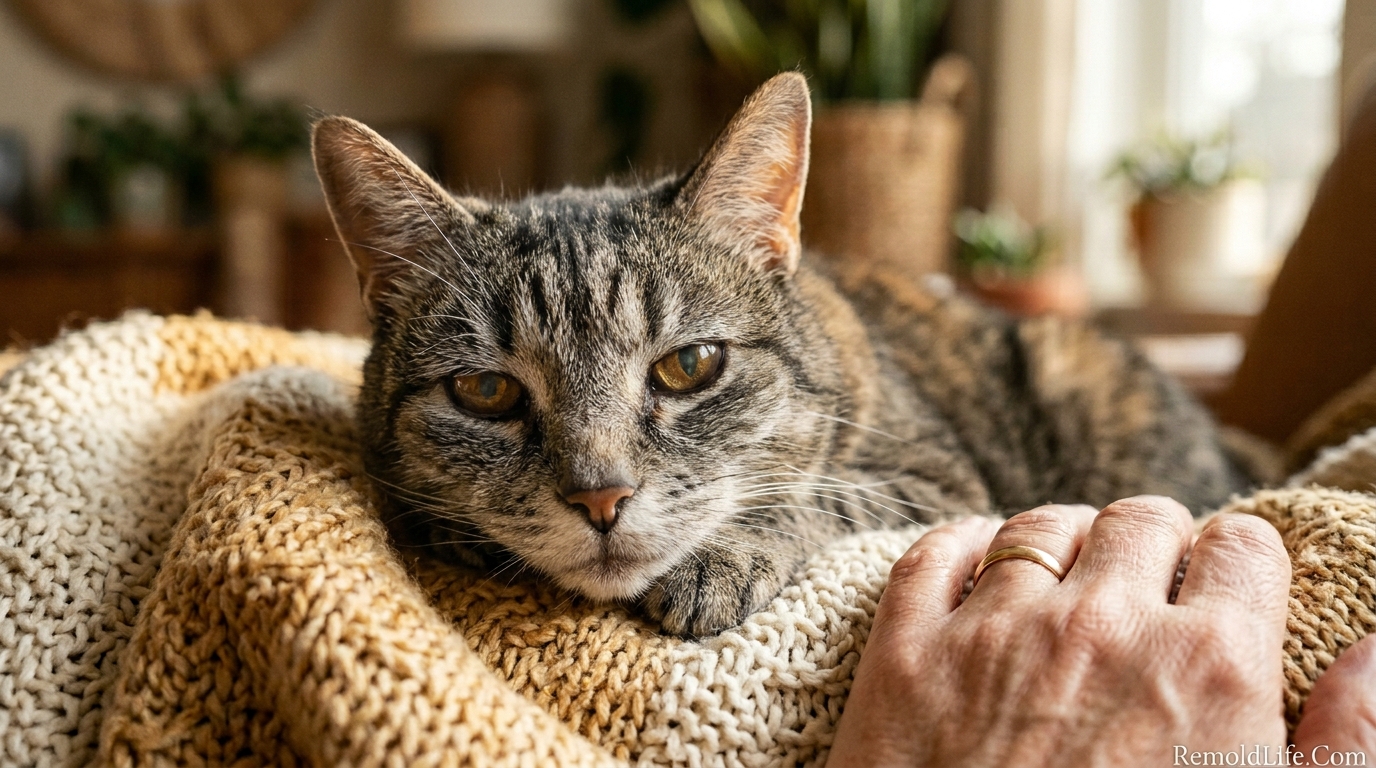

One of the more difficult judgment calls cat owners face is distinguishing normal senior cat slowing down from genuine illness — because both can look remarkably similar on the surface: reduced activity, more sleeping, less interest in play, slower movement. Yet treating a treatable illness as “just old age” can mean missing a condition that’s genuinely manageable, while treating every age-related change as a medical emergency creates unnecessary stress and veterinary costs.
This guide works through the distinction directly — what’s genuinely normal aging in cats, what warrants veterinary attention, and how to approach the gray areas between the two.
When Is a Cat Considered “Senior”?
Most veterinary organizations, including the American Association of Feline Practitioners (AAFP), classify cats as “mature” from 7–10 years, “senior” from 11–14 years, and “geriatric” from 15 years onward. This is a general guideline — individual cats age at different rates depending on genetics, health history, and lifestyle.
Understanding which life stage your cat is in helps calibrate expectations and the threshold for veterinary involvement — a 16-year-old cat slowing down somewhat is more expected than the same change appearing suddenly in a 6-year-old.
What Normal Senior Slowing Down Looks Like
Genuine age-related changes tend to share certain characteristics: they’re gradual, proportionate, and don’t involve significant distress or dramatic functional loss.
Reduced activity and longer sleep periods. Older cats genuinely sleep more — often 16–20 hours daily compared to the already-substantial sleep of younger cats. This reflects normal metabolic slowing, not illness on its own.
Less interest in vigorous play. A senior cat may still enjoy interactive play but for shorter periods, with less intensity, and may show less interest in toys that excited them at a younger age. This is a gradual shift, not a sudden loss of interest.
Slower movement and stiffness, especially after rest. Mild stiffness when first standing up, which improves with movement, is common with age-related joint changes and doesn’t necessarily indicate significant arthritis requiring intervention — though more significant stiffness should be evaluated (more on this below).
Reduced jumping height or hesitation before jumping. Many senior cats gradually reduce how high they jump or pause before jumping to assess the distance — a sensible adaptation to changing joint comfort and confidence, rather than necessarily indicating a medical problem requiring immediate intervention.
Some changes in coat texture. A slightly less sleek coat, with age, is common and reflects normal changes in skin oil production and grooming behavior — though significant changes (matting, bald patches, excessive oiliness) warrant a look.
Mild decrease in appetite proportionate to reduced activity. Some reduction in food intake that matches reduced activity level and slightly lower metabolic needs is within normal range — though this requires careful distinction from concerning appetite loss (covered below).
Signs That Suggest Illness Rather Than Normal Aging
Several patterns specifically suggest something beyond normal aging — and warrant veterinary evaluation rather than assumption that “they’re just getting old.”
1. Sudden Onset Rather Than Gradual Change
Normal aging is gradual — changes accumulate over months to years. A sudden, notable change in behavior, mobility, or appetite — happening over days rather than months — is much more likely to reflect an acute medical issue than normal aging, even in an elderly cat.
2. Significant Weight Loss
Weight loss in senior cats is one of the most reliable signals that something beyond normal aging is occurring. Conditions including hyperthyroidism, chronic kidney disease, diabetes, inflammatory bowel disease, and cancer are all relatively common in senior cats and frequently present with weight loss — sometimes before other obvious symptoms appear.
Normal aging does not typically cause significant weight loss on its own. Any senior cat losing weight — even if eating normally or eating more — warrants veterinary evaluation. This is a critical distinction: increased appetite alongside weight loss is a classic pattern for hyperthyroidism specifically.
3. Increased Thirst and Urination
A noticeably increased need to drink water or use the litter box more frequently is not a normal aging change — it’s a common sign of several conditions prevalent in senior cats, particularly chronic kidney disease and diabetes. This symptom specifically warrants prompt veterinary attention rather than being attributed to age.
4. Significant, Not Mild, Mobility Changes
While mild stiffness can be age-related, more significant changes warrant evaluation: difficulty using the litter box (especially if it has high sides), reluctance to use stairs entirely, visible pain when touched in specific areas, or a noticeable limp. Feline arthritis is common and often under-diagnosed (because cats hide pain effectively), and it’s genuinely treatable with pain management, environmental modifications, and in some cases supplements or medication — making accurate identification valuable rather than simply accepting reduced mobility as inevitable.
5. Behavioral Changes Beyond Reduced Activity
Increased vocalization (particularly at night), disorientation, changes in litter box habits (soiling outside the box when previously reliable), increased irritability, or signs of confusion can indicate feline cognitive dysfunction (a condition similar in some respects to dementia in humans) or other underlying medical issues — both of which benefit from veterinary evaluation and, in many cases, management strategies.
6. Changes in Grooming That Go Beyond “Slightly Less Sleek”
A cat that stops grooming significantly — resulting in a notably unkempt, matted, or greasy coat — is often signaling pain (making the contorted positions of self-grooming difficult) or general illness affecting overall energy and motivation. This is different from the mild coat texture changes mentioned as normal above.
7. Bad Breath or Visible Oral Issues
While not unique to senior cats, dental disease is extremely common in older cats and can cause reduced appetite, weight loss, and general malaise that might otherwise be attributed to “just getting old.” Noticeable bad breath, visible tartar, red gums, or reluctance to eat hard food are signs worth addressing — dental disease is treatable and addressing it often produces a noticeable improvement in overall demeanor and appetite.
A Practical Comparison
| Sign | More Likely Normal Aging | More Likely Illness |
|---|---|---|
| Onset | Gradual, over months/years | Sudden, over days/weeks |
| Weight | Stable or very slight decrease | Noticeable loss |
| Appetite | Slightly reduced, proportionate to activity | Significantly increased OR decreased |
| Water intake | Stable | Notably increased |
| Activity | Gradually less, but engages when motivated | Significant disinterest, withdrawal |
| Mobility | Mild stiffness, improves with movement | Persistent pain signs, reluctance to move at all |
| Grooming | Slightly less sleek | Notably unkempt or matted |
| Litter box | Consistent habits | New accidents, straining, changes in output |

Common Senior Cat Conditions Worth Knowing About
Understanding the most common conditions affecting senior cats helps contextualize what symptoms to watch for:
Chronic kidney disease (CKD) — extremely common in senior cats, often develops gradually. Early signs include increased thirst/urination and mild weight loss. Caught early, CKD can be managed for years with dietary changes and monitoring.
Hyperthyroidism — an overactive thyroid gland, common in cats over 10. Classic signs: weight loss despite normal or increased appetite, increased activity or restlessness (a notable exception to the general slowing-down pattern), increased thirst.
Diabetes mellitus — increased thirst and urination, weight loss despite normal or increased appetite, and sometimes a distinctive change in gait (walking on the hocks rather than normal foot position in advanced cases).
Osteoarthritis — extremely common but significantly under-diagnosed in cats because they hide pain well and the signs (reduced jumping, hesitation, stiffness) overlap with what owners assume is “normal aging.”
Feline cognitive dysfunction — increased nighttime vocalization, disorientation, changes in sleep-wake cycle, and altered interaction with family members.
Dental disease — extremely common by senior age if not regularly addressed; can cause pain, reduced appetite, and behavioral changes that seem unrelated to oral health at first glance.
What to Do: A Practical Approach
Establish a baseline through regular veterinary checkups. The American Association of Feline Practitioners recommends biannual veterinary visits for senior cats (rather than the annual visits appropriate for younger cats), specifically because age-related conditions develop and progress faster, and biannual visits catch changes earlier.
Request baseline bloodwork starting around age 7–10. Annual or biannual bloodwork (complete blood count, chemistry panel, thyroid level) establishes a baseline and catches early changes in kidney function, thyroid level, and other markers before clinical symptoms become obvious — often the earliest and most reliable way to distinguish normal aging from developing illness.
Track changes over time, not just in the moment. Keeping a simple record — weight at each vet visit, general activity observations, any new behaviors — makes gradual changes visible that might otherwise be missed day to day, since you see your cat constantly and gradual change is genuinely hard to notice without deliberate tracking.
When in doubt, get it checked. The cost and inconvenience of an unnecessary veterinary visit is low compared to the cost of a missed diagnosis that could have been caught earlier. Veterinarians are accustomed to evaluating “is this normal aging or something else” questions and can often provide reassurance or catch issues early through a relatively simple exam and bloodwork.

Supporting a Genuinely Aging Cat
For changes that are genuinely just normal aging, several adjustments support comfort and quality of life:
- Provide easier access — lower-sided litter boxes, ramps or steps to favorite high spots, and food/water bowls that don’t require excessive bending
- Maintain consistent routine — predictability reduces stress, which matters more as cats age
- Continue appropriate engagement — shorter, gentler play sessions still provide valuable mental and physical stimulation
- Monitor more closely, not less — paradoxically, senior cats benefit from more attentive observation precisely because the line between normal aging and emerging illness requires more careful tracking

Frequently Asked Questions
Yes, this is specifically recommended because many serious senior cat conditions (kidney disease, hyperthyroidism, early diabetes) don’t produce obvious symptoms until they’ve progressed significantly. Bloodwork can catch these conditions in early, more manageable stages before a cat shows obvious signs of illness — which is the entire value of more frequent senior screening.
Yes, increased sleep is one of the most consistent and genuinely normal changes with feline aging — senior cats commonly sleep 16-20+ hours daily. This becomes more concerning only if paired with other signs (weight loss, appetite changes, behavioral changes) or if it represents a sudden, dramatic increase rather than a gradual shift.
Feline arthritis pain management genuinely improves quality of life even in cats that “seem fine,” because cats are notoriously good at masking pain and adapting their behavior to avoid it rather than showing obvious distress. Many owners report a noticeable improvement in their cat’s overall demeanor, activity, and apparent contentment after starting appropriate pain management — suggesting the cat was experiencing more discomfort than was outwardly visible.
Any unintentional, unexplained weight loss in a senior cat warrants veterinary attention — there’s no “acceptable” threshold to wait for. Even a loss of 10% of body weight (which can look subtle in a cat — a pound or so on an average-sized cat) is clinically significant and worth investigating, since cats hide weight loss well under a full coat.
This is one of the hardest questions cat owners face, and there’s no universal formula. Veterinarians often use quality-of-life assessment scales that evaluate pain control, appetite, hydration, hygiene, happiness, mobility, and the ratio of good days to bad days. Discussing this honestly and specifically with your veterinarian — ideally before a crisis point, while there’s time for thoughtful reflection — is more useful than trying to determine this alone
Final Thoughts
Distinguishing normal senior slowing down from emerging illness in cats requires attentiveness more than expertise — most of the warning signs above are observable by anyone who knows their cat well and tracks changes over time rather than just noticing them in isolated moments. When in doubt, veterinary evaluation — particularly bloodwork — provides clarity that observation alone often can’t.
The encouraging reality is that many of the conditions common in senior cats are genuinely manageable when caught reasonably early — making the effort of careful observation and regular veterinary involvement directly translate into more comfortable years for an aging cat.
For related pet health content, why is my cat not eating covers one specific symptom in more depth, and common cat health problems provides a broader overview of feline health issues across all life stages.
Sources:
- American Association of Feline Practitioners — Senior Care Guidelines for Cats: https://catvets.com/
- Cornell Feline Health Center — Feline Aging and Senior Cat Care: https://www.vet.cornell.edu/departments-centers-and-institutes/cornell-feline-health-center
- International Society of Feline Medicine — Senior Cat Care Guidelines
- American Veterinary Medical Association — Feline Health Resources: https://www.avma.org/

Finn Larsen is a content writer covering health, lifestyle, relationships, and
personal finance. Articles published under this name are written for general
informational purposes to help everyday readers find clear, straightforward
answers to common questions.